在这样的背景下,国际权威期刊收录的文章中被动语态的使用有减少趋势,而主动语态的使用越来越普遍。Behavioral Ecology, British Medical Journal, The Journal of Neuroscience, Nature, Science等权威期刊鼓励作者使用主动语态。
“When I was in college at the University of Missouri-Columbia, where I studied journalism and biology, one of the most memorable classes I took was in magazine editing.”
其实可以不需要说我在某某大学里上大学。这些就属于冗余的表达。那么我们可以将其修改为:When I was studying journalism at the University of Missouri-Columbia, one of the most memorable classes I took was in magazine editing.
“How to reduce your word count without reducing your content”
我们发现your (出现两次)这个词在标题中并没有太多意义。于是果断删除。
寻找介词
有介词出现的句型通常可以进行精简。介词of 是最明显的标志,但其他介词,如 to 和 for,也可以进行调整。例如,“plasma levels of lipids” 可以变成“ lipid plasma levels”,“evaluation of eQTLs”可以变成“eQTL evaluation”,“ resistance to insulin”可以变成“insulin resistance”。
请注意,并非所有的介词都适合精简。例如,如果跟在 of 后面的不止一个单词,而我们把它变成一个形容词(替代介词后面的名词),那么我们就需要用连字符连接。有时候,这是可以的,但有时候会显得不合适,例如:用“mouse-model use”替代“use of mouse models”。在这种情况下,就需要你做出正确的判断。
留意多词短语
I realized that the word your (twice) didn’t add a whole lot to the meaning of the title. (18个单词)
其中“a whole lot ”可以用一个单词来代替,于是改为:
I realized that the word your (twice) didn’t add much to the title’s meaning. (14个单词)
请注意,根据上文提到的技巧,我们还可将“the meaning of the title” 改为“the title’s meaning”。不论你是否喜欢这种简练的风格,这都为如何灵活运用个人判断提供了一个很好的例子。
以“what ”和 “there”为主语的语句简化
当 what 或 there 充当主语时,句子通常可以简化。这里有几个例子:
原文:What has been harder to identify are sequences that are missing from the human reference genome. (15个单词)
修改版:Sequences that are missing from the human reference genome have been harder to identify. (14个单词)
原文:There are some regulatory factors that can be passed between cells. (11个单词)
修改版:Some regulatory factors can be passed between cells. (8个单词)






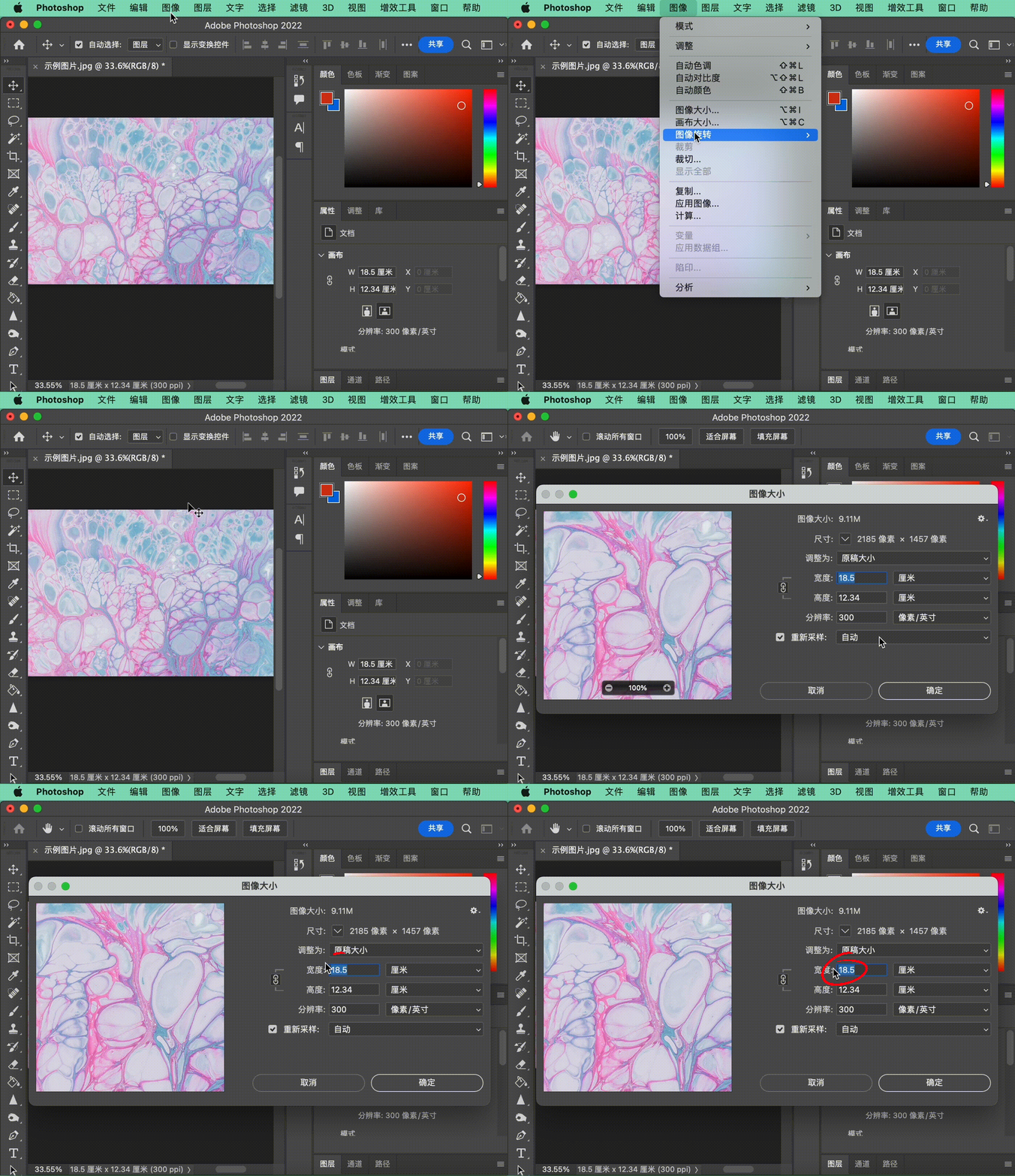
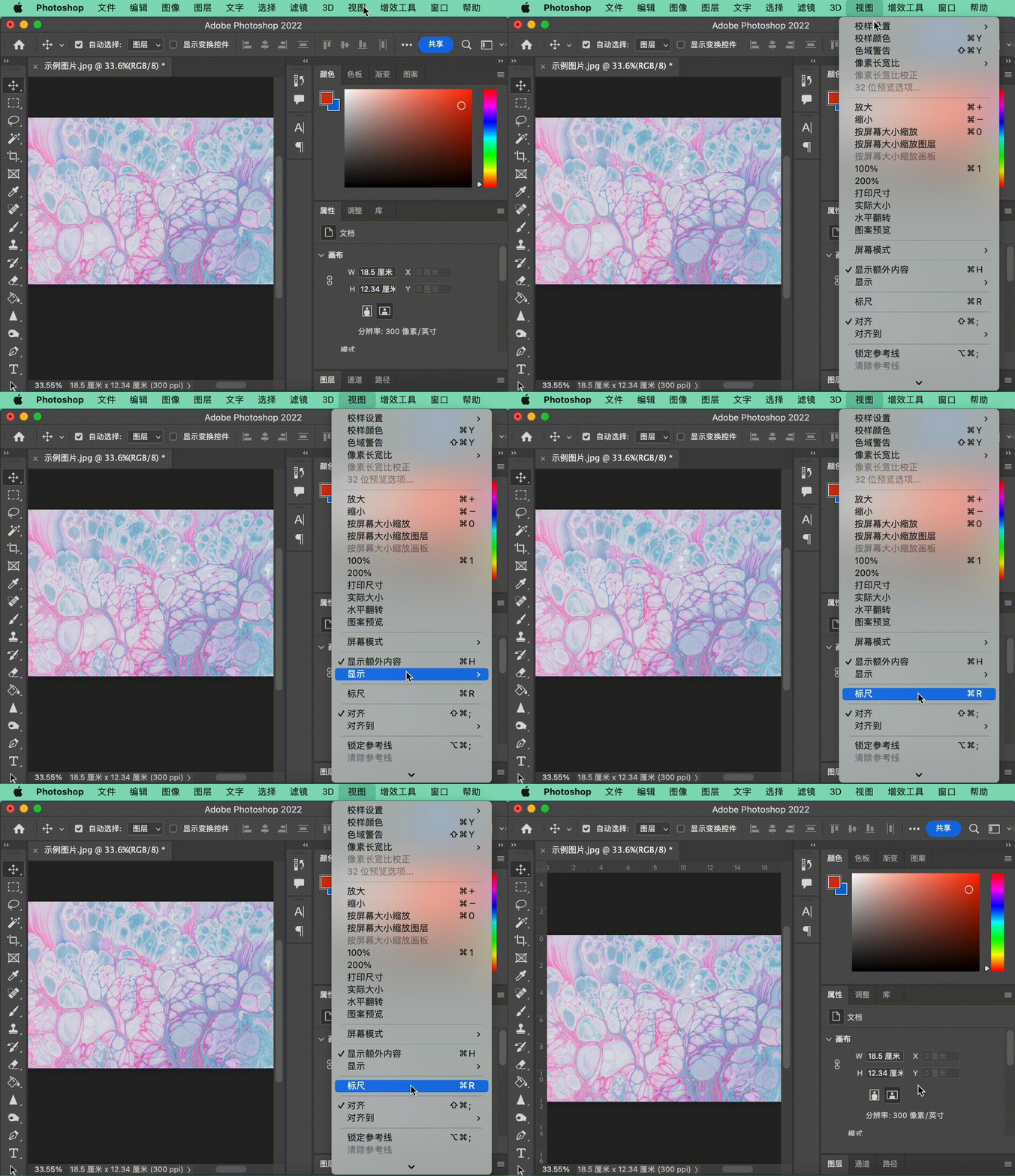

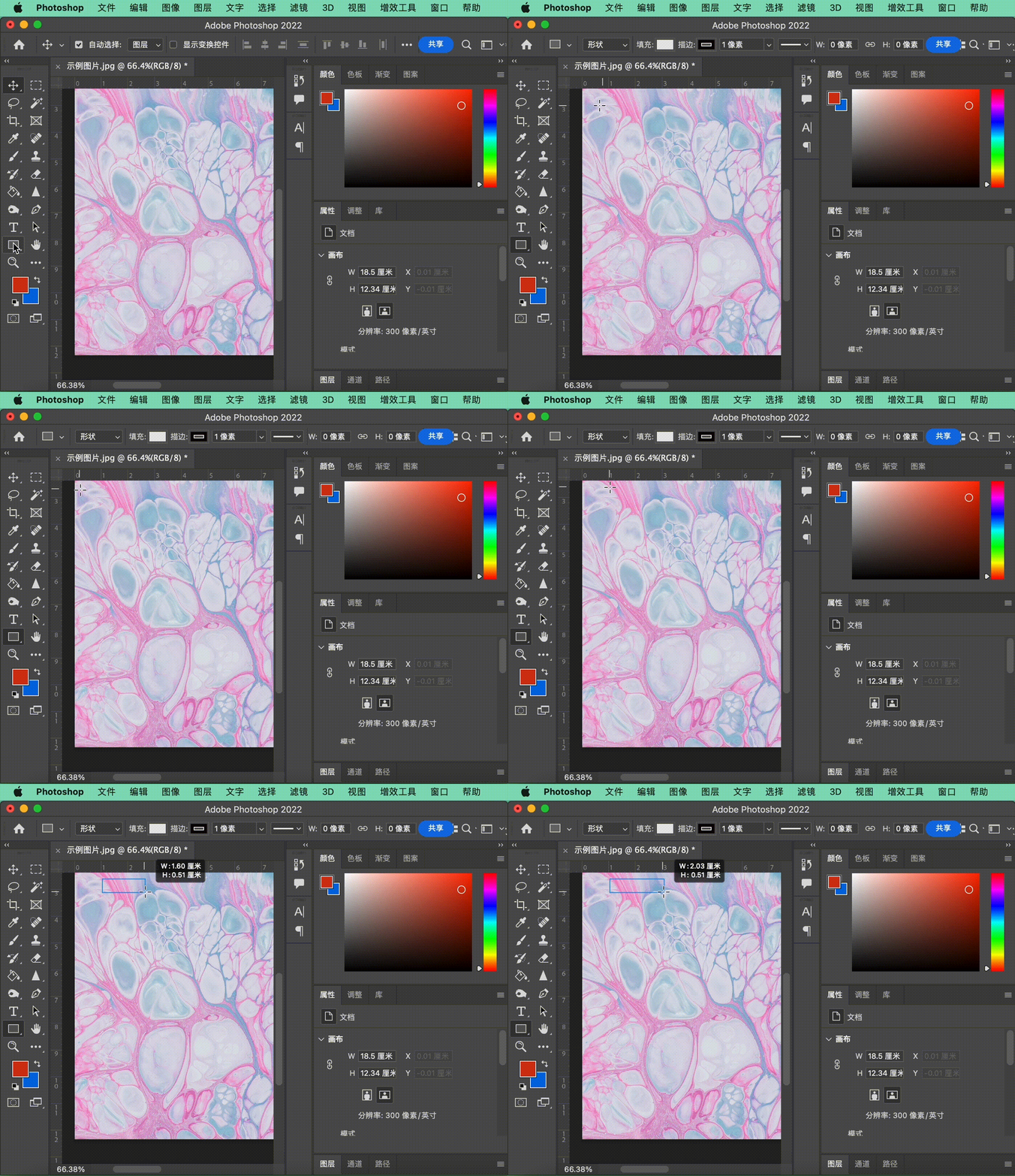
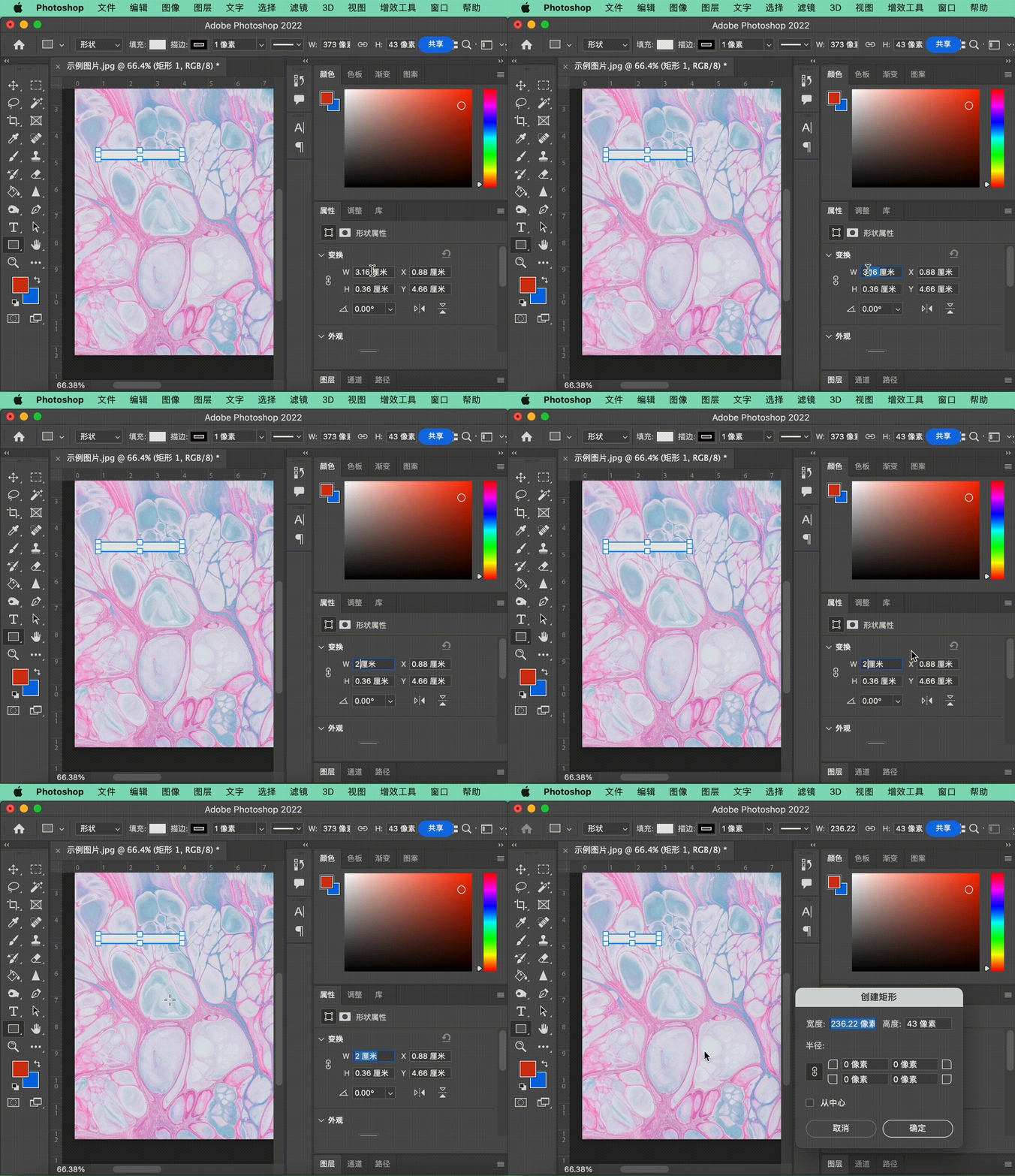
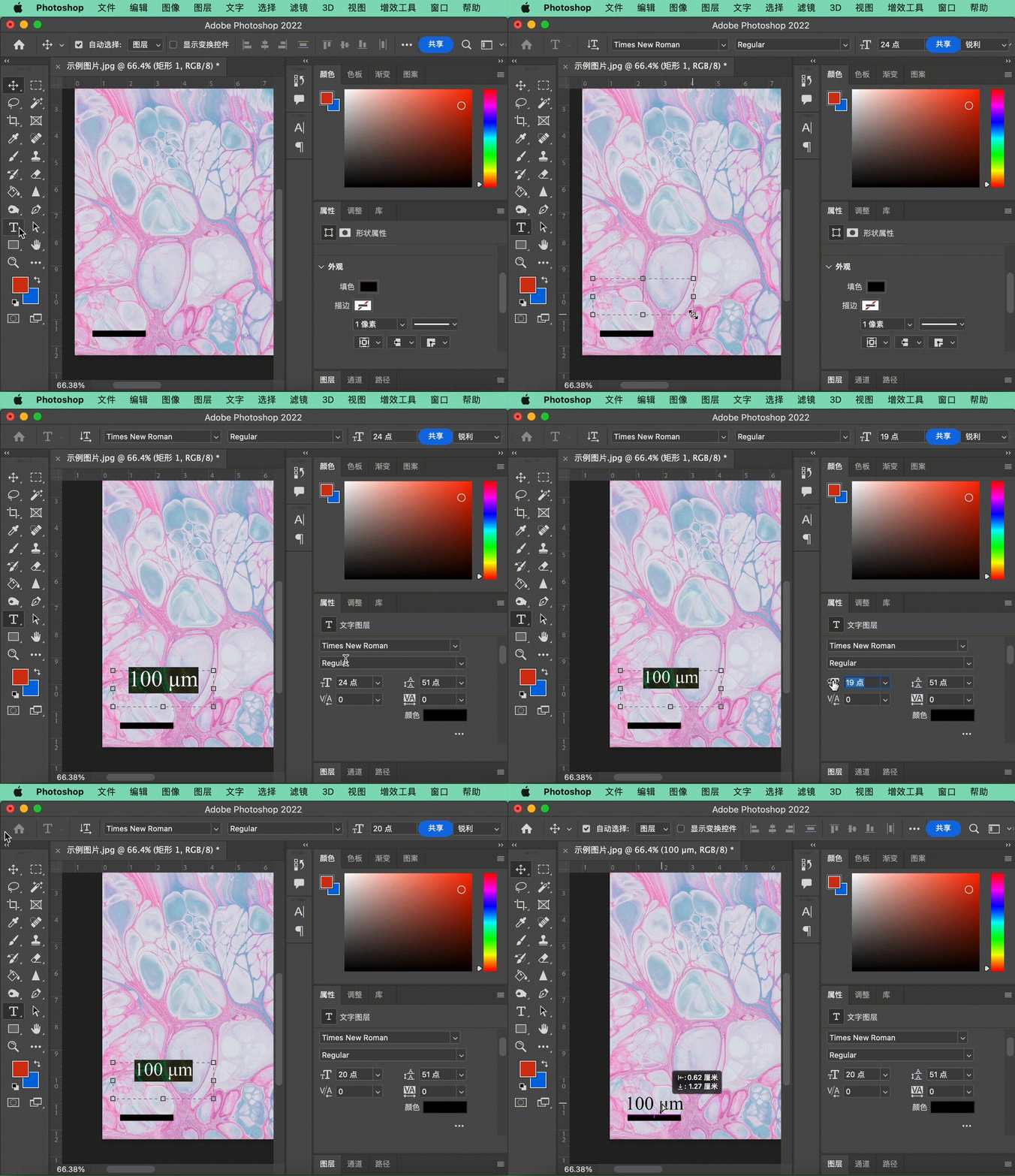
 然后点击矩形工具,拖拉一个2cm宽的矩形,高度自适应到合适比例。